
Porcelain Veneers in San Francisco: Cost, Process, and What to Expect
Porcelain Veneers in San Francisco: Cost, Process, and What to Expect
The short version
- In San Francisco, porcelain veneers run about $1,600 to $3,000 per tooth, and a full smile of six to ten teeth lands between $12,000 and $25,000.
- Treatment unfolds over a few comfortable visits across two to three weeks, with local anesthetic during preparation.
- Porcelain lasts 10 to 20 years and resists staining. Composite is cheaper but wears out in about 5 to 7 years.
- Veneers suit healthy teeth with cosmetic concerns. A consultation confirms whether they fit, or whether whitening, bonding, or a crown is the better call.
In this guide
A single chipped front tooth can be enough to make you cover your mouth in every photo. The people who finally fix it rarely talk about the porcelain afterward. They talk about laughing in photos again and dropping the reflex to hide their teeth mid conversation. Fixing it is usually faster and more predictable than people expect. The frustrating part, if you've been researching porcelain veneers in San Francisco, is that prices swing wildly from one practice to the next and nobody explains why. So this breakdown puts the 2026 Bay Area numbers on the table, walks through what the treatment actually involves, and tells you straight whether veneers are the right call for your smile.
Veneers are one of the most requested cosmetic treatments at our San Francisco practice, and for good reason. They solve several problems at once, and they do it in roughly two visits.
What Porcelain Veneers Actually Are
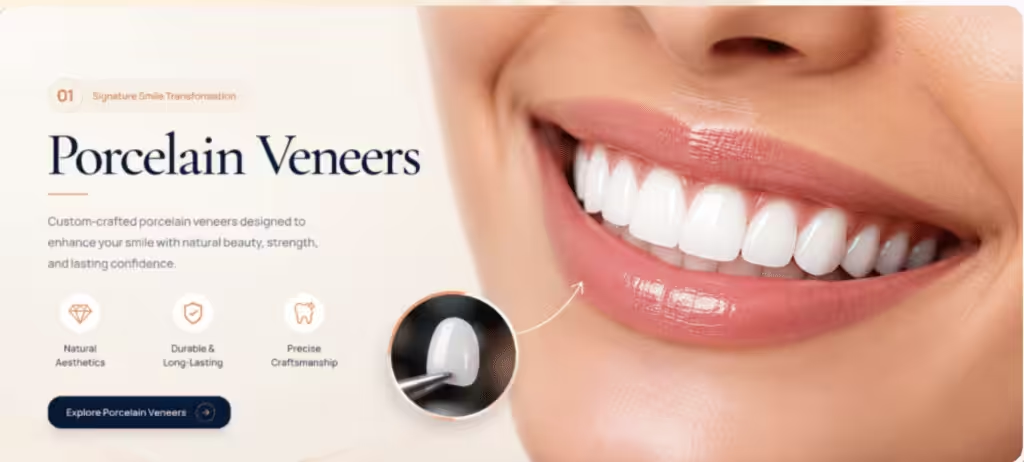
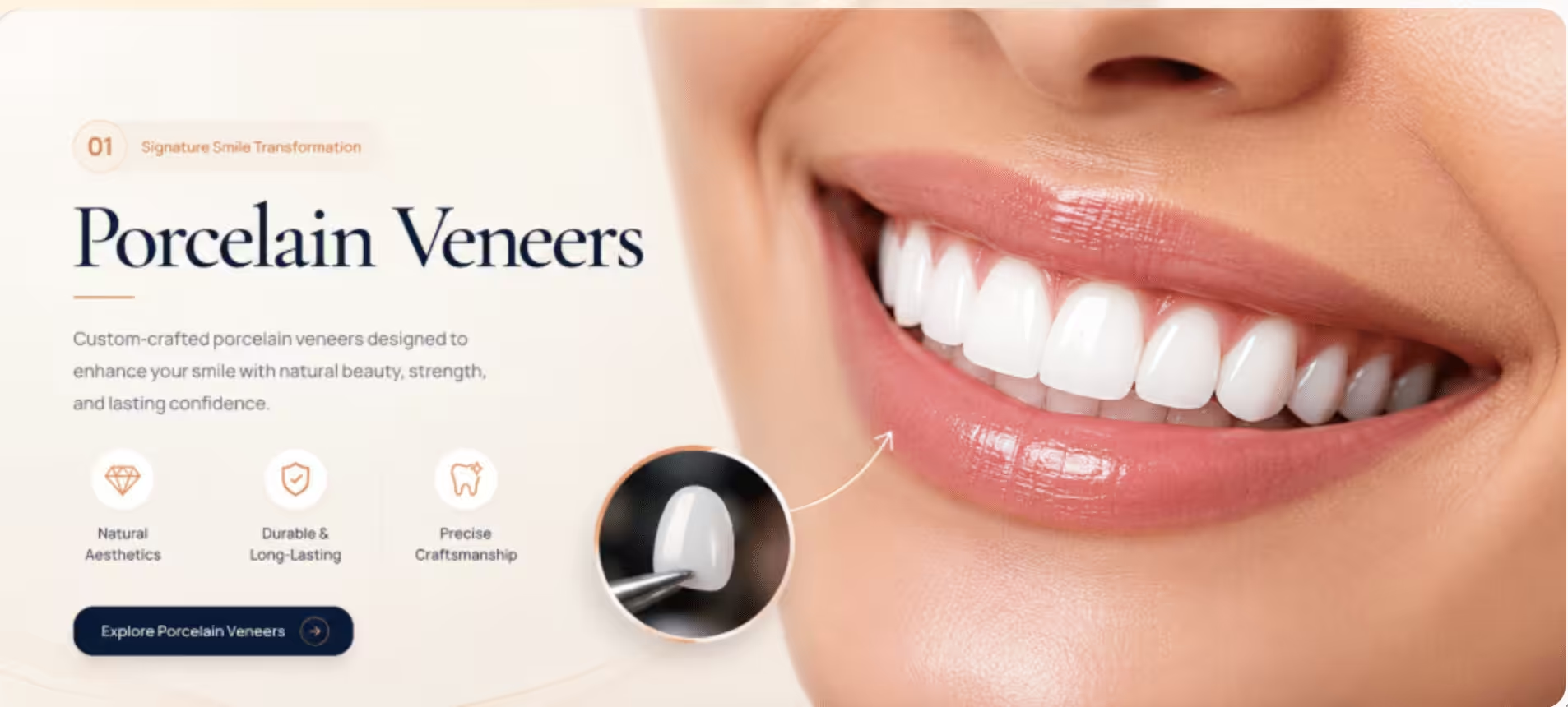
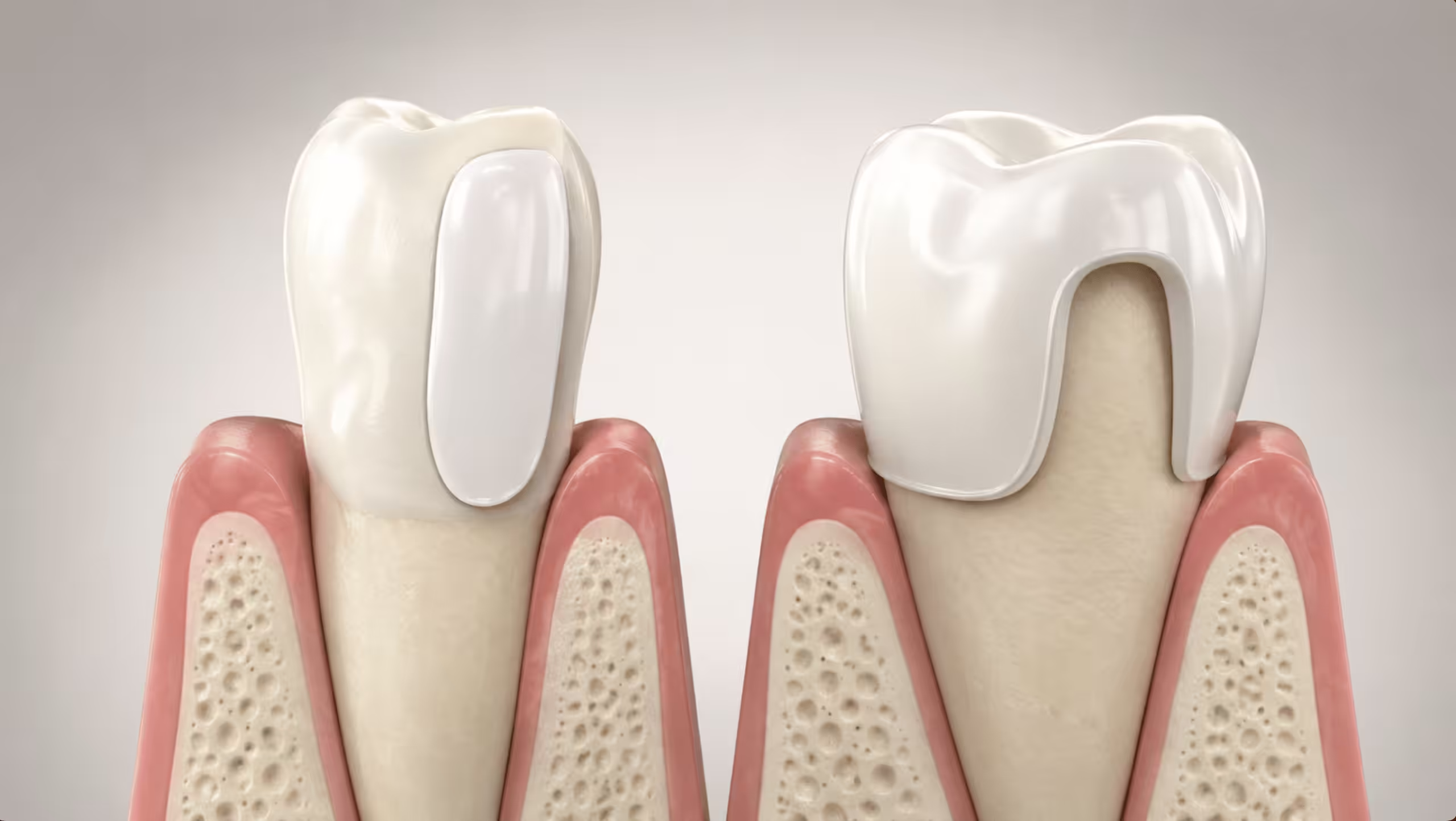
A porcelain veneer is a thin, custom-made shell of dental ceramic that bonds to the front of your tooth. Think of it as a precisely engineered facade for a single tooth, shaped and shaded to look like enamel that simply grew in perfectly.
Veneers correct the cosmetic issues that whitening and bonding can't fully solve. They cover permanent staining, close gaps, reshape worn or uneven edges, and hide chips or minor misalignment. Because the porcelain is semi-translucent, it catches light the same way a natural tooth does, which is what separates a quality result from an obvious one.
You'll hear two main materials discussed. Porcelain is the premium choice for its lifelike look and stain resistance, and it lasts 10 to 20 years with good care. Composite resin is cheaper and can be done in one visit, but it stains faster and typically needs replacing every 5 to 7 years. Most people searching for teeth veneers in San Francisco are picturing porcelain, and that's what this guide focuses on.
How Much Do Veneers Cost in San Francisco?
Cost is what most people are really here for. So how much is veneers going to run you in this city?
In San Francisco, porcelain veneers typically run $1,600 to $3,000 per tooth. That's noticeably higher than the national range of roughly $900 to $2,500, and the reason is simple. Bay Area practices carry higher rent, lab fees, and staffing costs, so cosmetic dentists here generally charge 20 to 50% more than dentists in smaller markets. Accredited cosmetic specialists tend to sit at the upper end, because lab quality and artistry are exactly what you're paying for.
Most smile makeovers involve more than one tooth. The visible "smile zone" usually spans the front six to ten teeth, so the full investment matters more than the per-tooth figure.
| Treatment | Teeth | Typical SF Cost |
|---|---|---|
| Single veneer | 1 | $1,600 to $3,000 |
| Partial smile | 4 to 6 | $6,500 to $18,000 |
| Full smile makeover | 6 to 10 | $12,000 to $25,000 |
| Composite (per tooth) | 1 | $400 to $1,500 |
Why Two Quotes Can Differ by Thousands
If you collect three quotes in San Francisco, expect three different numbers. Four things drive the gap: the material and lab the dentist uses, the dentist's training and accreditation, how many teeth you treat, and your case complexity. Bite correction, gum reshaping, or replacing old crowns alongside your veneers all add to the total.
A lower quote isn't always a better deal. Veneers are permanent and visible every time you speak. The difference between a mid-grade lab and a top ceramist is the difference between teeth that look "done" and teeth nobody can tell aren't your own.
The Porcelain Veneers Process: What to Expect
One reason veneers stay so popular is how straightforward the treatment is. It usually unfolds over three visits.
Consultation and design
Your dentist examines your teeth, takes photos and X-rays, and listens to what you want changed. This is where shade, shape, and length get planned. Many practices use digital previews or a wax mock-up so you can see the result before anything is permanent.
Preparation and impressions
The dentist removes a very thin layer of enamel from the front of each tooth, usually less than a millimeter, to make room for the veneer. Impressions or a digital scan go to the lab, and you wear temporary veneers while your permanent set is crafted. This typically takes two to three weeks.
Bonding
Your dentist checks the fit and color of the finished veneers, then bonds them permanently with dental adhesive. Minor polishing and bite adjustments happen here. You walk out with your new smile the same day.
The whole process is comfortable. Local anesthetic during the preparation visit means you shouldn't feel pain, and most patients describe the experience as easier than they expected.

No-Prep Veneers in San Francisco: A More Conservative Option
Not every smile needs enamel removed. No-prep veneers in San Francisco are an ultra-thin alternative that bonds to your teeth with little or no filing. Because they preserve more of your natural tooth, they can sometimes be reversed, and the appointment is faster.
No-prep options work best for patients whose teeth aren't crowded or significantly worn and who want a subtle enhancement rather than a dramatic reshape. They aren't right for every case, which is exactly the kind of thing a consultation sorts out. If keeping your natural enamel intact is a priority for you, mention it early so your dentist can tell you whether you're a candidate.
Are You a Good Fit for Veneers?
Veneers are powerful, but they aren't the answer for everyone. You're likely a strong candidate if you have healthy gums, enough enamel to bond to, and cosmetic concerns like staining, chips, small gaps, or mild misalignment.
A few situations call for other treatment first. Active gum disease, untreated decay, or a habit of grinding your teeth all need to be addressed before veneers go on. Grinders aren't disqualified, but a nightguard becomes part of the plan to protect the investment. And if your teeth are significantly misaligned, your dentist might suggest Invisalign first so the veneers sit on a properly positioned smile.
Whether veneers are right for you only really comes clear at an exam. What looks like a veneer case is sometimes solved with whitening and bonding at a fraction of the cost, and a good cosmetic dentist will say so rather than upsell you. And if a tooth is structurally damaged rather than just flawed in appearance, a crown may be the better fix, which we compare in our guide to veneers vs crowns.
Paying for Veneers: Insurance and Payment Plans
The sticker price stops a lot of people before they ever book, so it's worth walking through how patients actually pay for this.
Are veneers covered by insurance? Usually not. Most dental plans classify veneers as cosmetic and won't pay for them. The exception is when a veneer restores a tooth that's chipped or damaged for functional reasons, in which case partial coverage is sometimes possible. It's worth asking your provider directly, since policies vary.
That's why most patients use a veneers payment plan instead. Financing options like CareCredit break the cost into manageable payments, which is how the majority of smile makeovers actually get paid for. When you amortize porcelain veneers over their 10 to 20 year lifespan, the yearly cost is often comparable to other things people spend on without a second thought.
Why Patients Choose Skoulas DDS for Veneers in San Francisco
Choosing where to get veneers matters more than almost any other decision in the process, because the result lives on your face. Dr. Antigone Skoulas brings a detail-focused, design-led approach to cosmetic dentistry in the heart of San Francisco, pairing modern technique with top lab partnerships so your veneers look natural, not manufactured.
Every plan starts with listening to what you want and showing you the result before treatment begins. You see the outcome and the full quote before any enamel is touched. If you've been putting off fixing your smile because the process felt opaque, that's exactly the friction we built our practice to remove.
Your New Smile Starts With One Visit
Porcelain veneers in San Francisco are an investment, but they're also one of the most reliable ways to fix a smile you've been hiding. You now know the real costs, the process, and the questions to ask. The only step left is a conversation with a dentist who'll show you what's possible for your specific teeth. Veneers are also one piece of a bigger picture, which we map out in our complete guide to cosmetic dentistry in San Francisco.
Frequently Asked Questions
How much do veneers cost in San Francisco?
Porcelain veneers in San Francisco typically cost $1,600 to $3,000 per tooth, higher than the national average because of the city's overhead and lab costs. A full smile makeover of six to ten teeth generally runs $12,000 to $25,000. Composite veneers cost less, around $400 to $1,500 per tooth, but don't last as long.
How long do porcelain veneers last?
With good care, porcelain veneers last 10 to 20 years. Brushing twice a day, flossing, avoiding using your teeth as tools, and wearing a nightguard if you grind all extend their life. Composite veneers have a shorter lifespan of about 5 to 7 years.
Does getting veneers hurt?
No. Your dentist uses local anesthetic during the preparation visit, so you shouldn't feel pain. Some patients notice mild sensitivity for a few days afterward, which fades quickly. Most people say the process was easier than they expected.
Are veneers covered by insurance?
In most cases, no. Insurance companies treat veneers as a cosmetic procedure and don't cover them. If a veneer is needed to restore a damaged or broken tooth, partial coverage is occasionally possible. Ask your provider, and consider a veneers payment plan to spread the cost.
What are no-prep veneers?
No-prep veneers are ultra-thin shells that bond to your teeth with little or no enamel removal. They preserve more of your natural tooth and can sometimes be reversed. They suit patients wanting a subtle enhancement, though not every case is a fit for them.
How many veneers will I need?
It depends on how many teeth show when you smile. Many patients treat the front six to eight teeth for a balanced result, while others fix just one or two problem teeth. Your dentist designs the plan around your smile line and your goals.
Your smile, designed
Ready to See Your New Smile Before You Commit?
Book a veneers consultation at Skoulas DDS and get a clear, personalized plan with transparent pricing. Dr. Skoulas will walk you through your options and show you the result we can achieve together, with the costs laid out plainly before you decide anything.